SEPSiL Strengthens Community Awareness on Wetlands Conservation in Western Rural Communities
“Sierra Leone’s wetlands face growing threats from unregulated land conversion, pollution, mangrove cutting, sand mining, and climate change, leading to widespread ecosystem degradation,” said Wudie Bakie Koroma, Chairman of the Board of Trustees of the Society on Environmental Pollution in Sierra Leone (SEPSiL), during community sensitization sessions on wetlands conservation in the Western Area Rural District (WARD).
On 2 February 2026, SEPSiL joined the global community in commemorating World Wetlands Day, an annual event that highlights the critical importance of wetlands and the urgent need for their protection. The 2026 theme, “Wetlands and Traditional Knowledge: Celebrating Cultural Heritage,” underscores the value of indigenous knowledge and practices that sustain wetland ecosystems and the communities that depend on them.
Wetlands are among the most productive ecosystems on Earth, including mangroves, swamps, marshes, floodplains, estuaries, and rice paddies. They provide essential ecosystem services such as water purification, flood control, carbon sequestration, biodiversity conservation, and livelihood support. Although they cover only a small proportion of the Earth’s surface, wetlands host remarkable biological diversity and sustain millions of people worldwide.
To mark the Day, SEPSiL’s outreach team engaged pupils and teachers at Salam Islamic Primary School in Kossoh Town, one of the most populated schools in the WARD. Key messages developed by Wetland Link International were delivered during the school assembly, with a focus on applying traditional knowledge and local practices to protect wetlands for present and future generations.
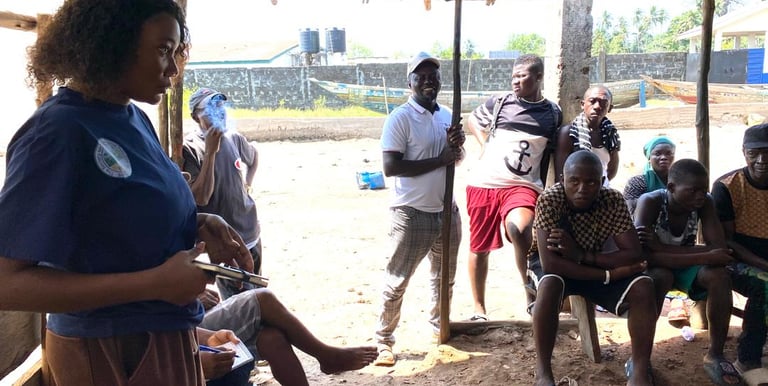
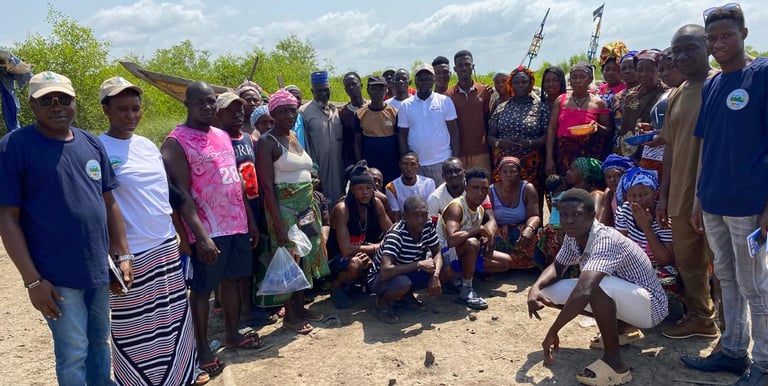
SEPSiL further extended its outreach to the coastal communities of Fogbo and Maconteh in the Western Area Rural District. The community engagement sessions, held on 7 February 2026, brought together traditional leaders, women, youth, fisherfolk, and other community members.
Speaking at the gatherings, Mr. Koroma emphasized the need for improved wetlands conservation and sustainable management. He highlighted the importance of enforcing both local and national environmental regulations to safeguard wetlands and ensure their long-term benefits.
The Operations Coordinator of SEPSiL, Abdul Salfu Conteh, together with his team, facilitated interactive question-and-answer sessions that helped participants better understand the benefits they derive from wetlands. These discussions also enabled community members to identify key challenges and explore practical actions they could take to protect these highly vulnerable ecosystems.
Many participants openly acknowledged harmful practices that have contributed to wetland degradation over time, particularly in coastal areas. These practices have resulted in reduced fish stocks, declining agricultural productivity, and increased vulnerability to climate-related shocks. Participants expressed strong commitment to reversing these trends.
“Yes, we are indeed responsible for many of the negative impacts on our wetlands. We cut down mangroves, dump waste into streams and rivers, and use destructive fishing methods. It is time to stop these practices. We are ready to work with SEPSiL and other like-minded institutions to protect our wetlands,” said Chief Pa-Alimamy Jalloh of the Fogbo community.
The 2026 World Wetlands Day theme strongly resonates in Sierra Leone, where traditional knowledge has long guided sustainable wetland use. Community-based farming, fishing, and land management practices are closely aligned with seasonal water cycles and local ecological conditions, reflecting a deep-rooted understanding of wetland ecosystems.